
DEA busts first US nitazene lab in Baton Rouge: what East Texas should know
The synthetic opioid can outpace fentanyl, and more than 80% of DEA’s national seizures this year came from Louisiana. Here is what East Texans need to know.
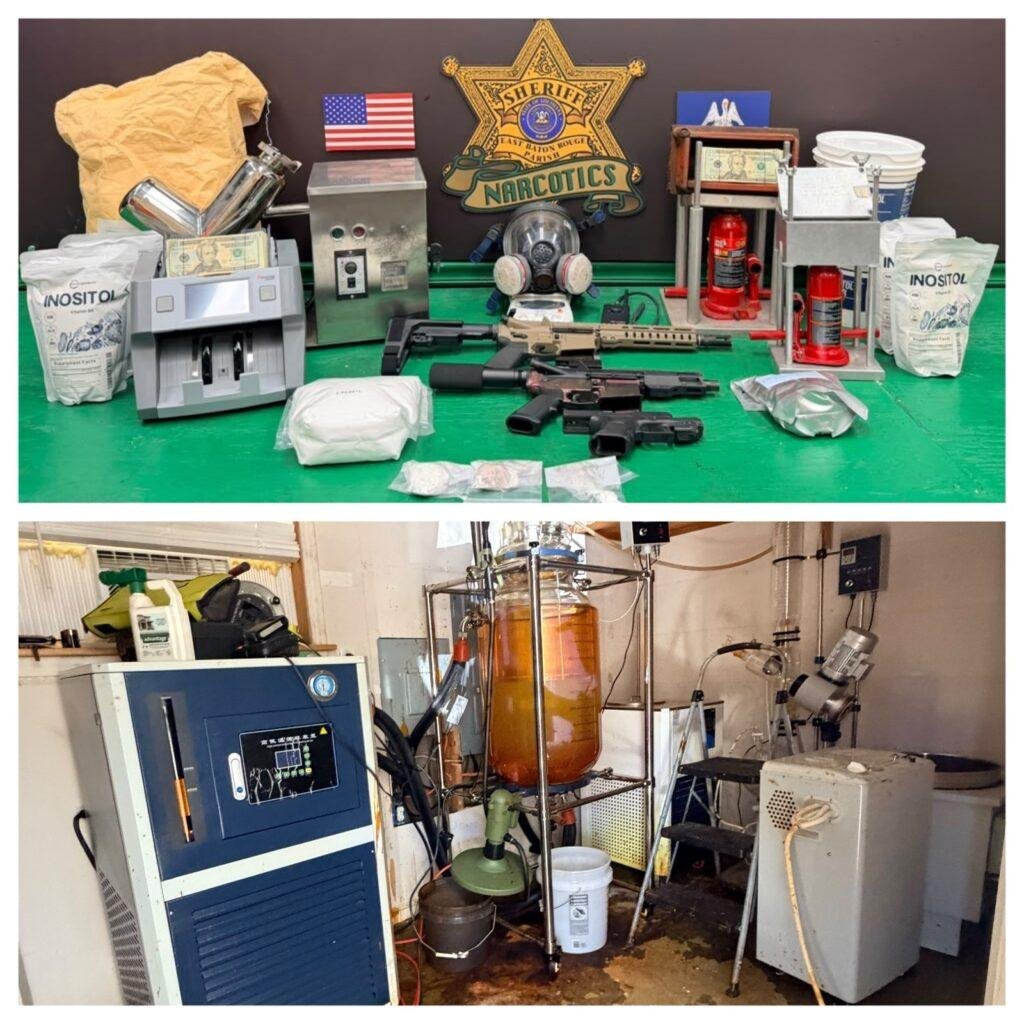
On November 12, the East Baton Rouge Parish Sheriff’s Office and DEA agents walked into a house at 4830 Cottage Hill Drive in Baton Rouge and found a $250,000 drug manufacturing lab. Inside a 100-liter industrial reactor, forensic chemists found 58 liters of liquid. On November 18, the DEA’s South Central Laboratory in Dallas confirmed what it was: etonitazene.
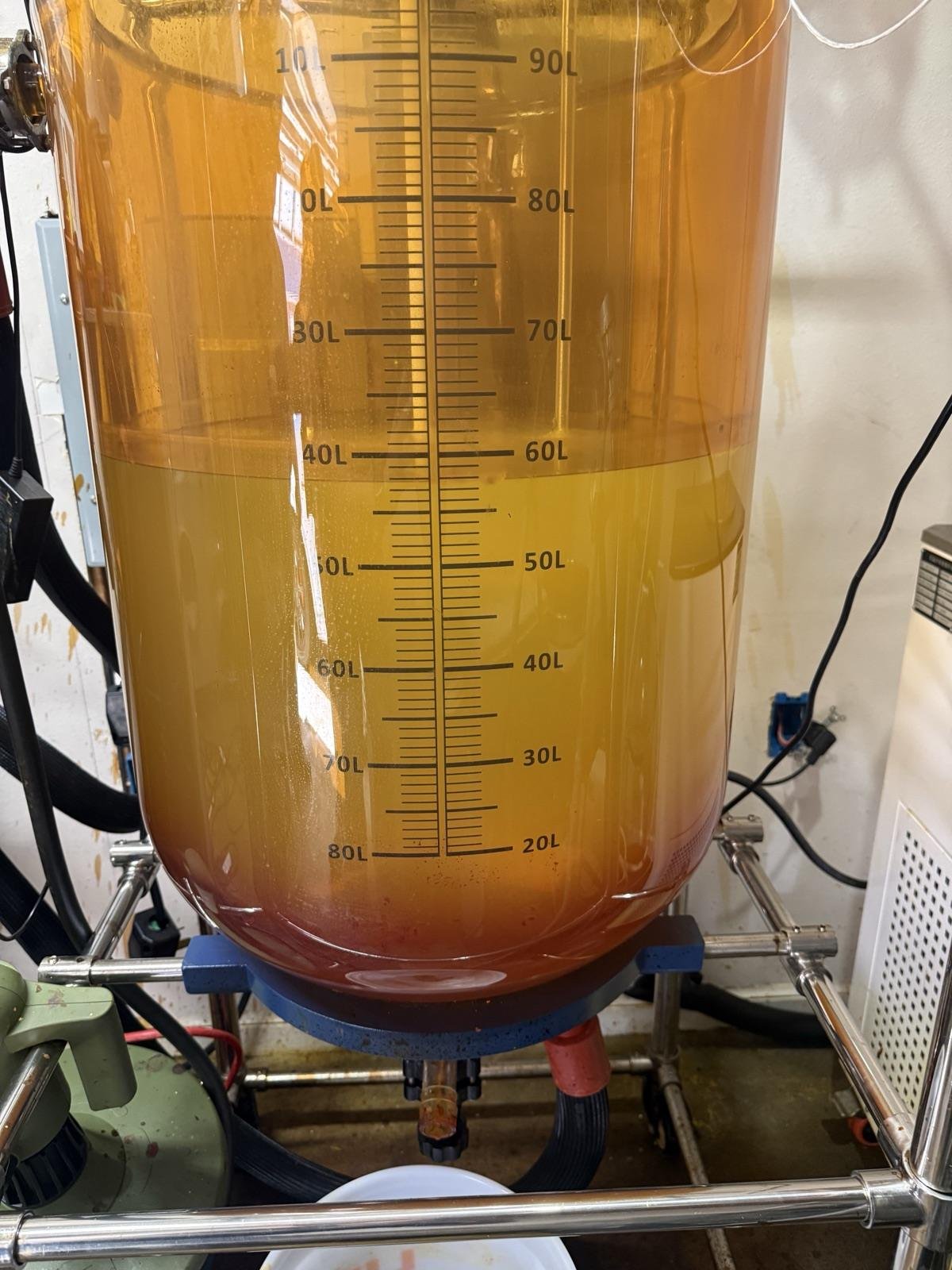
The DEA calls it the first known large-scale domestic nitazene synthesis lab ever dismantled in the United States.
What is a nitazene?
Nitazenes are a class of synthetic opioids that have existed for decades but have only recently moved into the illicit drug supply. Depending on the specific compound, they can match or vastly exceed the potency of fentanyl. Etonitazene is one of the most potent members of the family.
Traffickers press nitazenes into counterfeit prescription pills or mix them into fentanyl, heroin, cocaine and xylazine. Users often do not know the drug they bought contains it.
Why East Texas should pay attention
Louisiana is next door. The DEA says more than 80% of all etonitazene exhibits seized nationwide this year came from Louisiana. I-10 and I-20 run straight into the 936 area code.
The forensic analysis that confirmed the Baton Rouge lab was producing etonitazene was done at the DEA’s South Central Laboratory in Dallas, the same lab that tests drug evidence from across East Texas.
And the drug is harder to reverse. The DEA warns that standard Narcan dosing may not be enough. Multiple doses of naloxone are often needed to reverse a nitazene overdose, which gives first responders and bystanders less time to save a life.
Who was arrested
Torrey Lewis Jr., 34, of Baton Rouge, is being held without bond. He faces charges of operating a fentanyl clandestine laboratory, possession with intent to distribute Schedule I and Schedule II narcotics, drug paraphernalia, illegal carrying of a firearm with drugs, and money laundering. The investigation remains open and additional charges are possible.
In addition to the lab, agents seized 22.5 grams of fentanyl, 3 grams of cocaine, two rifles, and $8,531 in cash across three Baton Rouge addresses.
What to do if you suspect an overdose
- Call 911 immediately.
- Give Narcan (naloxone) if you have it. For a suspected nitazene overdose, be ready to give repeated doses. The first dose may not be enough.
- Stay with the person until first responders arrive. Rescue breathing can keep oxygen moving to the brain.
- Texas has a Good Samaritan law that protects callers in most overdose situations.
Source
Full DEA press release: EBRSO and DEA Dismantle Large-scale Nitazene Laboratory in Baton Rouge (November 20, 2026). Photos: East Baton Rouge Sheriff’s Office / DEA, public domain.